Investor Education
Understanding the Life Cycle of Funds and Their Role in Retirement
Invest Today. Grow Tomorrow. Create Income for the Years Ahead.
Preparing for retirement is often thought of as simply building a large enough corpus for the future. But doing it well is about much more than accumulating money. It is about understanding how your financial needs — and therefore your investment strategy — change throughout your life.
Just as our lives move through different stages, our investments also need to evolve with us. This is where understanding the life cycle of investments and mutual funds becomes important.
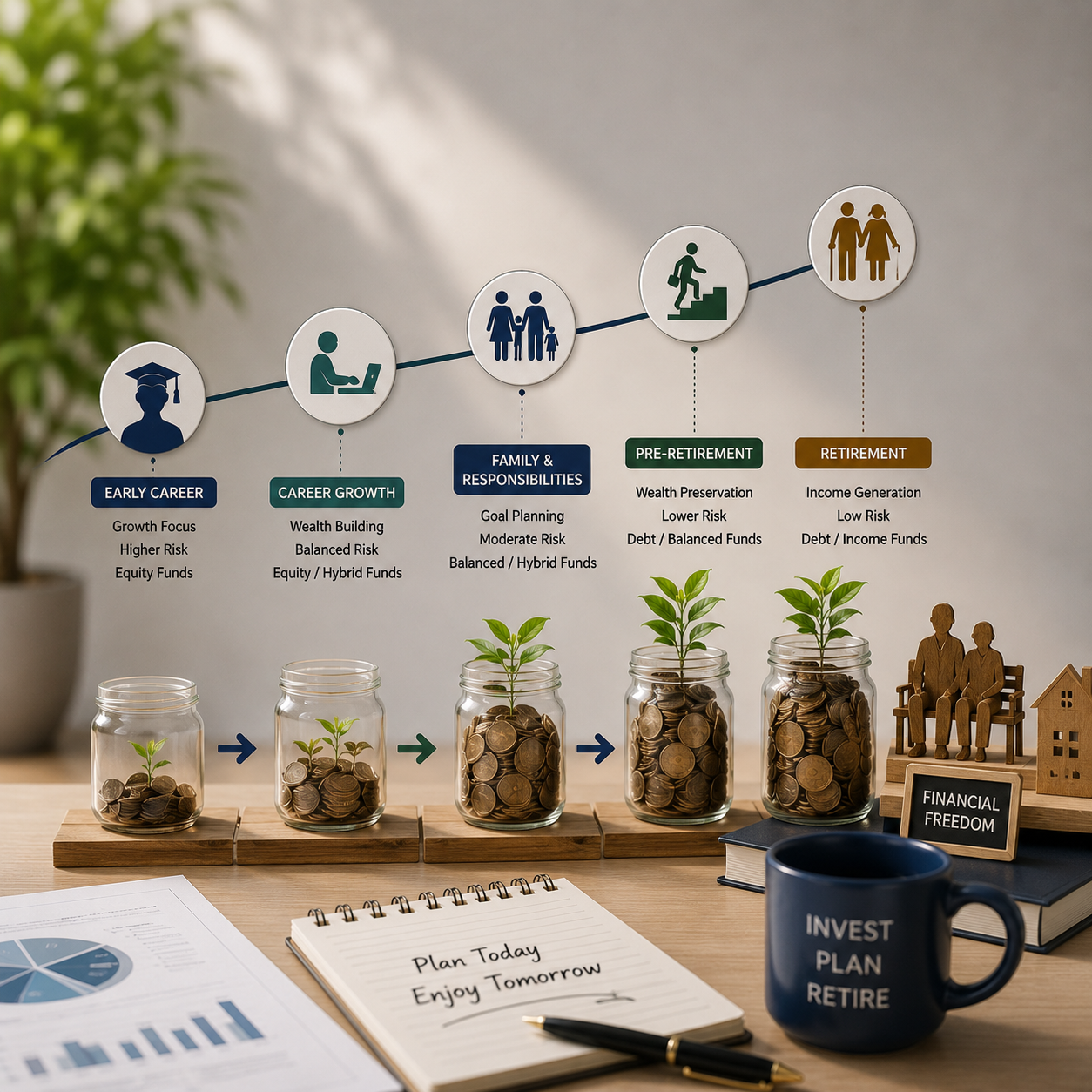
The Accumulation Stage: Building Your Wealth
During the early years of your career, retirement may seem far away. This is precisely when time can become your greatest advantage.
With a long investment horizon, investors may have the ability to consider investments with greater exposure to growth-oriented assets, depending on their risk profile and financial goals.
SIPs in equity-oriented mutual funds can be one way of creating a disciplined investment habit. Regular investing allows investors to participate in the market over different market cycles rather than relying on a single entry point.
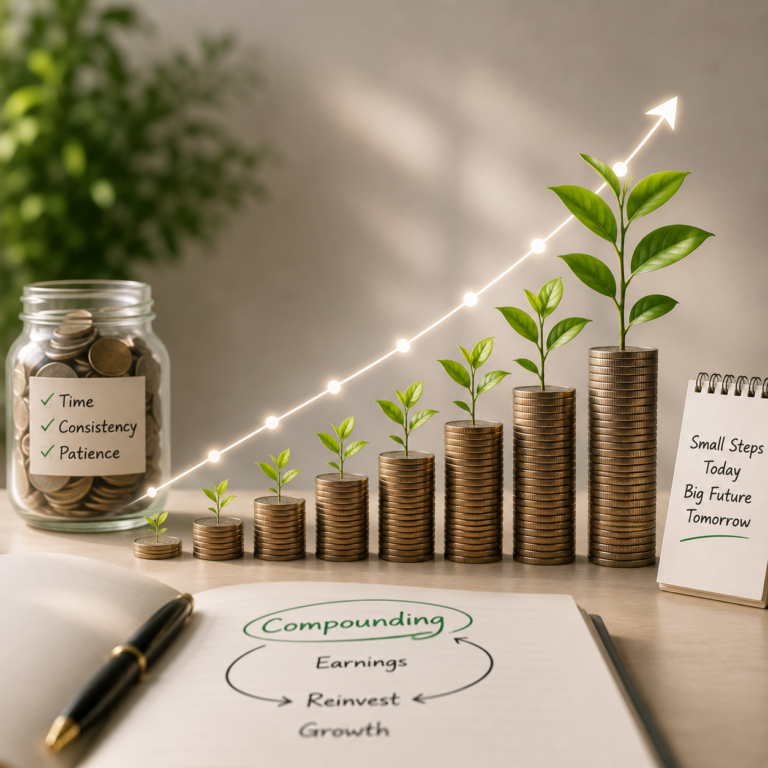
At this stage, the focus is primarily on investing regularly, staying invested, and allowing compounding to work.
The Growth and Consolidation Stage: Protecting What You Have Built
As retirement gets closer, the investment objective may gradually shift. The focus is no longer only on maximising growth. It becomes increasingly important to consider risk management, asset allocation and preservation of the accumulated corpus.
An investor may gradually review the portfolio and rebalance it based on:
- Years remaining until retirement
- Financial goals
- Risk tolerance
- Existing corpus
- Expected retirement expenses
- Other sources of income
The objective is to ensure that the investment strategy remains aligned with the changing stage of life.
The Retirement Stage: From Wealth Creation to Wealth Management
Retirement changes the nature of managing money. During your working years, you generally invest from your income. After retirement, your investments may need to support your lifestyle and generate a sustainable stream of income.
This makes factors such as liquidity, asset allocation, withdrawal strategy and inflation increasingly important.
Mutual funds can play different roles within a retirement portfolio depending on the investor’s needs and risk profile. Rather than focusing on a single fund or category, retirement is better approached as a portfolio strategy.
The objective is to balance growth, stability, liquidity and regular cash flow.
Why Inflation Matters
One of the biggest risks in retirement is often overlooked: inflation. ₹1 lakh today will not have the same purchasing power 20 years from now.
Therefore, a retirement corpus needs to be large enough not only to meet today’s expenses but also to account for the rising cost of living.
This is another reason why a long-term approach cannot rely entirely on keeping money in low-growth investments. The investment strategy needs to consider the need for long-term growth alongside risk management.
Preparing for Retirement Doesn’t End at Retirement
A common misconception is that the work ends when you retire. In reality, retirement is the beginning of another financial phase.
Your portfolio may need to support you for 20, 25 or even 30 years after retirement. Therefore, the investment strategy may need to evolve continuously throughout retirement.
Regular portfolio reviews can help ensure that your investments remain aligned with your changing needs, goals, risk profile and income requirements.
The Right Fund at the Right Stage
There is no single mutual fund that is ideal for every investor or every stage of life. A young investor with a 25-year horizon may have very different requirements from someone who is five years away from retirement or someone who has already retired.
The important question is therefore not simply Which mutual fund is the best? Instead, ask: Which investment strategy is appropriate for my current stage of life and my future goals?
Retirement Is a Journey, Not a Destination
A good approach is about creating a financial journey that evolves with you.
- Early years — focus on building wealth and harnessing compounding.
- Approaching retirement — focus increasingly on diversification and managing risk.
- During retirement — focus on preserving purchasing power, managing withdrawals and creating sustainable income.
The goal is not merely to retire with a large corpus. The real goal is to retire with financial confidence — the freedom to live the life you have worked for without constantly worrying about your money.
JVS Financial Landscape LLP
Trusted Financial Guidance. Disciplined Investing. Lasting Wealth.
Disclaimer: Mutual fund investments are subject to market risks. Read all scheme-related documents carefully before investing. Past performance is not indicative of future returns. Investment decisions should be based on an investor’s individual financial goals, risk profile, investment horizon and circumstances.